Anarcho Nihilist
Generalfeldmarschall
★★★★★
- Joined
- Jul 12, 2024
- Posts
- 6,308
- Online time
- 7h 24m
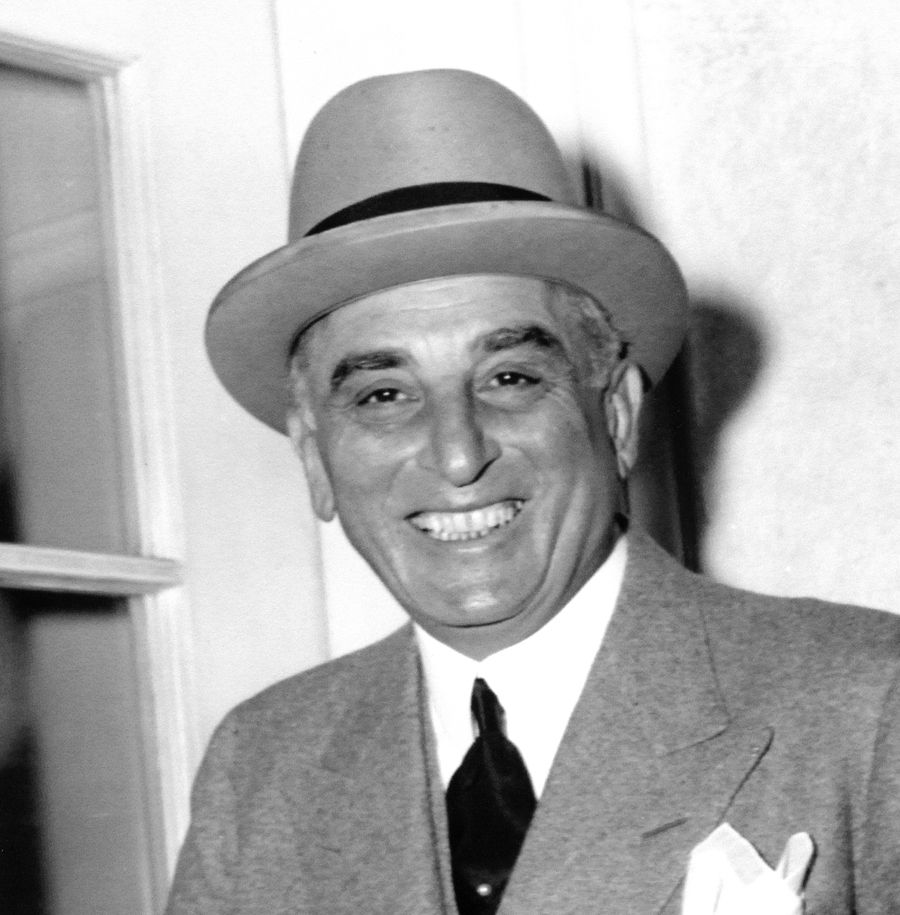
Even the American ambassadors were amazed by the luxury of the highest Stalinist elites in the USSR. This excerpt describes the ambassador and his wife's memories of visiting the People's Commissar for Foreign Trade, Rosenholtz.
 en.m.wikipedia.org
It's worth talking about housing.
en.m.wikipedia.org
It's worth talking about housing.
This is what the house looked like for senior officials, generals, movie actors:

This is housing for the worker and the peasant. For the worker, this is a wooden two-story hut, and for the peasant, the land is a hut:

Wood Barrack

Zemlyanka hut.
In order to make it more difficult for workers to move from one enterprise to another, on December 20, the Council of People's Commissars issued a decree "On the Introduction of Labor Books," which required the administration of enterprises and institutions to hire workers and employees only upon presentation of a labor book, where information about the employee's transfer from one enterprise (institution) to another was recorded.
Meager wages and difficult working and living conditions continued to force workers to move from one factory to another in search of higher wages, better housing, and so on. Workers often sabotaged the introduction of workbooks, and in the face of widespread demand for labor, factory managers hired workers without requiring them to present their workbooks. According to a report in Pravda, "hundreds of workbooks were lying around in metallurgical factories, unused by workers who had left the factory. By using various workarounds, absentees managed to get jobs at other factories, where they received new workbooks." For example, in a year and a half, 2,253 people were dismissed from the Manometr factory for absenteeism and left of their own free will (out of a total staff of 2,500).
Stalin forbade people to quit their jobs and move to another factory.
Joseph E. Davies - Wikipedia
On the help of Americans in building the USSR.
There are memories of the US ambassador to the USSR Davis - he arrived in Moscow in January 1937, and then did not miss a single court session over the highest Bolsheviks - "enemies of the people." Davis supported Stalin and his policies with both hands. Davis was married to America's richest woman, Marjorie, who arrived with him in Moscow. In 1941, he released memoirs about his work in the USSR. And in 1946, the book of his personal driver was published in the USA, Ciliberti is already a look at the USSR not through the eyes of the boss, but hard workers.
I liked the description of Ambassador Davis, as he described the luxurious image of the highest Stalinist authorities.
"On February 5 (1937), Ciliberti took Mr. and Mrs. Davis to the country house of the People's Commissar of Foreign Trade A.P. Rosengolz. Charlie, who drove Marjorie Post Davis in his homeland, saw the luxurious mansions of American millionaires and could judge that Rosengoltz's "commissar dacha" was not inferior to the homes of millionaires on Long Island. " True, there were also its own features - a "tower with a sentry," "a high green fence with barbed wire on top surrounding the estate," guards, an evil dog on a chain near the garage (Charlie saw such an angry dog for the first time), which Rosengolz fed himself and did not allow anyone else to do this. Ciliberti was curious to know what cars were in the garage of the Soviet boss. He lists: "16-cylinder Cadillac Sedan, 8-cylinder Packard Sedan and Soviet M-1 Fordsedan." Equipped with a garage, in his professional opinion, was no worse than that of some American millionaire. While Siliberti was waiting for the ambassador, he saw countless footmen and waiters scurrying back and forth and thought: "Not bad for a servant of the people in socialist Russia, where everyone should be equal."
Ambassador Davis also noted that "these commissioners do not offend themselves." Davis was pleased with the "unusual and interesting lunch" at Rosengoltz's dacha. He liked the large, comfortable house, well and tastefully furnished with heavy German style furniture, and the owner of the house, a man, in his opinion, extremely business. "I think he might be of use to us," he wrote in a letter to Roosevelt's press secretary, Stephen Earley. The ambassador also liked the guests of Rosengolts - Voroshilov, who struck him with military straightening and intelligence, "calm, dispassionate, highly educated, capable, wise" Vyshinsky, "swift like rapier" Mikoyan.
An interesting record of a visit to Rosengolz, his guests and, in particular, about Mikoyan was left by Mrs. Davis.
This was the first exit of the ambassador's wife to the Moscow "light," and, naturally, she was interested in new people, their manners, behavior, appearance. She could not help but be surprised when Mikoyan invited her stepdaughter, twenty-year-old Emlen Knight Davis, to drain a glass of vodka: "Drink to the bottom!" After lunch, everyone moved to the living room, where they were waiting for "a huge puff cake and coffee." "Mikoyan," Marjorie writes, "set about charting his tour of the Frosted Foods factories with delight." A member of the board of directors of General Foods, which was also engaged in the production and distribution of frozen foods, she knew about the business trip of the People's Commissar of the food industry Mikoyan to America in 1936, when he visited, among other things, the freezing factories.
In America, she had several luxurious residences, including Villa Mar-a-Lago in Florida (currently owned by Donald Trump). Probably, hence her special, almost professional interest in the interiors of commissar cottages. While Charlie was looking at cars in the garage, Marjorie looked into the Rosengolz bedroom: "The bedroom has the most modern furniture, a giant bed, a lace bedspread; a huge bathroom with a large white couch, an old-fashioned toilet with a tank on top, a Russian washbasin, a deep bath, two-yard-long towels with brushes," she recorded her impressions."
There are memories of the US ambassador to the USSR Davis - he arrived in Moscow in January 1937, and then did not miss a single court session over the highest Bolsheviks - "enemies of the people." Davis supported Stalin and his policies with both hands. Davis was married to America's richest woman, Marjorie, who arrived with him in Moscow. In 1941, he released memoirs about his work in the USSR. And in 1946, the book of his personal driver was published in the USA, Ciliberti is already a look at the USSR not through the eyes of the boss, but hard workers.
I liked the description of Ambassador Davis, as he described the luxurious image of the highest Stalinist authorities.
"On February 5 (1937), Ciliberti took Mr. and Mrs. Davis to the country house of the People's Commissar of Foreign Trade A.P. Rosengolz. Charlie, who drove Marjorie Post Davis in his homeland, saw the luxurious mansions of American millionaires and could judge that Rosengoltz's "commissar dacha" was not inferior to the homes of millionaires on Long Island. " True, there were also its own features - a "tower with a sentry," "a high green fence with barbed wire on top surrounding the estate," guards, an evil dog on a chain near the garage (Charlie saw such an angry dog for the first time), which Rosengolz fed himself and did not allow anyone else to do this. Ciliberti was curious to know what cars were in the garage of the Soviet boss. He lists: "16-cylinder Cadillac Sedan, 8-cylinder Packard Sedan and Soviet M-1 Fordsedan." Equipped with a garage, in his professional opinion, was no worse than that of some American millionaire. While Siliberti was waiting for the ambassador, he saw countless footmen and waiters scurrying back and forth and thought: "Not bad for a servant of the people in socialist Russia, where everyone should be equal."
Ambassador Davis also noted that "these commissioners do not offend themselves." Davis was pleased with the "unusual and interesting lunch" at Rosengoltz's dacha. He liked the large, comfortable house, well and tastefully furnished with heavy German style furniture, and the owner of the house, a man, in his opinion, extremely business. "I think he might be of use to us," he wrote in a letter to Roosevelt's press secretary, Stephen Earley. The ambassador also liked the guests of Rosengolts - Voroshilov, who struck him with military straightening and intelligence, "calm, dispassionate, highly educated, capable, wise" Vyshinsky, "swift like rapier" Mikoyan.
An interesting record of a visit to Rosengolz, his guests and, in particular, about Mikoyan was left by Mrs. Davis.
This was the first exit of the ambassador's wife to the Moscow "light," and, naturally, she was interested in new people, their manners, behavior, appearance. She could not help but be surprised when Mikoyan invited her stepdaughter, twenty-year-old Emlen Knight Davis, to drain a glass of vodka: "Drink to the bottom!" After lunch, everyone moved to the living room, where they were waiting for "a huge puff cake and coffee." "Mikoyan," Marjorie writes, "set about charting his tour of the Frosted Foods factories with delight." A member of the board of directors of General Foods, which was also engaged in the production and distribution of frozen foods, she knew about the business trip of the People's Commissar of the food industry Mikoyan to America in 1936, when he visited, among other things, the freezing factories.
In America, she had several luxurious residences, including Villa Mar-a-Lago in Florida (currently owned by Donald Trump). Probably, hence her special, almost professional interest in the interiors of commissar cottages. While Charlie was looking at cars in the garage, Marjorie looked into the Rosengolz bedroom: "The bedroom has the most modern furniture, a giant bed, a lace bedspread; a huge bathroom with a large white couch, an old-fashioned toilet with a tank on top, a Russian washbasin, a deep bath, two-yard-long towels with brushes," she recorded her impressions."
This is what the house looked like for senior officials, generals, movie actors:
This is housing for the worker and the peasant. For the worker, this is a wooden two-story hut, and for the peasant, the land is a hut:
Wood Barrack
Zemlyanka hut.
In order to make it more difficult for workers to move from one enterprise to another, on December 20, the Council of People's Commissars issued a decree "On the Introduction of Labor Books," which required the administration of enterprises and institutions to hire workers and employees only upon presentation of a labor book, where information about the employee's transfer from one enterprise (institution) to another was recorded.
Meager wages and difficult working and living conditions continued to force workers to move from one factory to another in search of higher wages, better housing, and so on. Workers often sabotaged the introduction of workbooks, and in the face of widespread demand for labor, factory managers hired workers without requiring them to present their workbooks. According to a report in Pravda, "hundreds of workbooks were lying around in metallurgical factories, unused by workers who had left the factory. By using various workarounds, absentees managed to get jobs at other factories, where they received new workbooks." For example, in a year and a half, 2,253 people were dismissed from the Manometr factory for absenteeism and left of their own free will (out of a total staff of 2,500).
Stalin forbade people to quit their jobs and move to another factory.
In the same conversation, Stalin proposed introducing an 8-hour workday and explained his reasoning as follows: "Our trade unions have corrupted the workers. This is not a school of communism, but a school of greed. The trade unions are inciting the workers against their leaders and indulging in selfish and parasitic tendencies. Why should workers in capitalist countries be allowed to work for capitalists for 10-12 hours, while our workers should only work for their own country for 7 hours? We made a big mistake when we introduced a 7-hour workday... Now is the time to call on the workers to make sacrifices and introduce an 8-hour workday without increasing wages." Stalin's proposals were officially announced on June 26, 1940, in a statement by the All-Union Central Council of Trade Unions to workers and employees. The following day, the Presidium of the Supreme Soviet of the USSR issued a decree on June 26, "On the Transition to an 8-hour Workday, a 7-Day Workweek, and the Prohibition of Workers and Employees from Leaving Their Enterprises and Institutions Without Permission."
Last edited: