Intellectual
Admiral
★★
- Joined
- Jun 12, 2023
- Posts
- 2,607
I have devised a theory, the thesis states that our inceldom is the result of agricultural and sanitary advances in the 1700s that resulted in a lower deathrate whilst leaving birthrates unaffected. Inceldom is the inevitable result.
In Europe the Agricultural Revolution which served to increase the supply of food began at least fifty years before the beginnings of the revolution in sanitation and medical services which decreased the number of deaths and thus increased the number of the population. The two dates for these two beginnings might be put roughly at 1725 and 1775. As a result of this difference, Europe generally had sufficient food to feed its increased population. When the population reached a point where Europe itself could no longer feed its own people (say about 1850), the outlying areas of the European and nonEuropean worlds were so eager to be industrialized (or to obtain railroads) that Europe was able to obtain non-European food in exchange for European industrial products. This sequence of events was a very happy combination for Europe. But the sequence of events in tile non-European world was quite different and much less happy. Not only did the non-European world get industrialization before it got the revolution in food production; it also got the revolution in sanitation and medical services before it got a sufficient increase in food to take care of the resulting increase in population. As a result, the demographic explosion which began in northwestern Europe early in the nineteenth century spread outward to eastern Europe and to Asia with increasingly unhappy consequences as it spread. The result was to create the greatest social problem of the twentieth-century world.
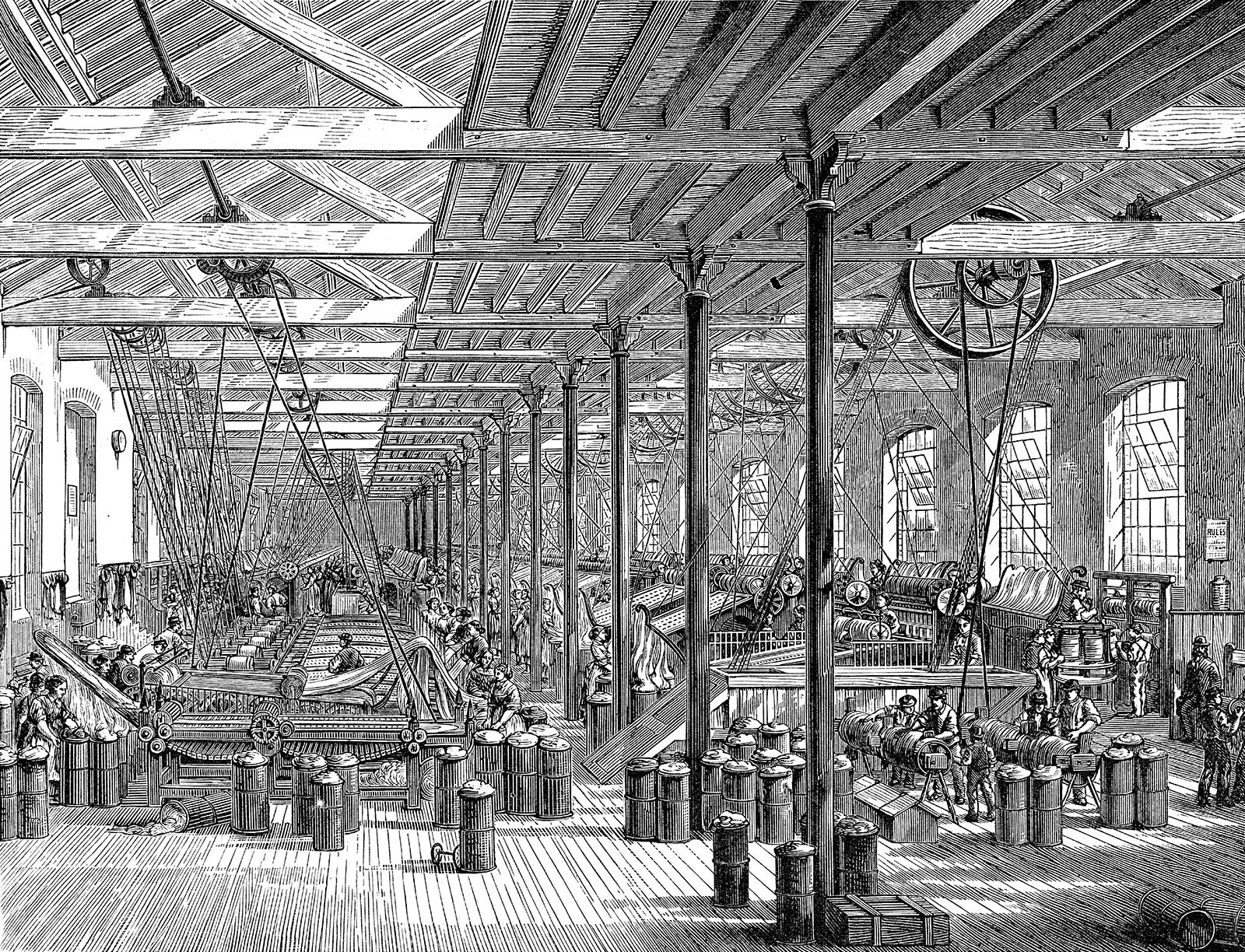

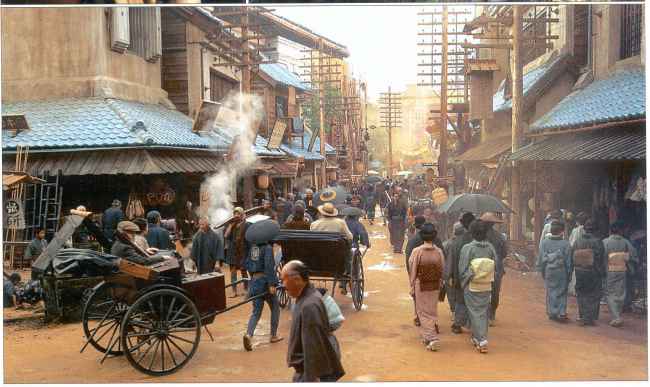
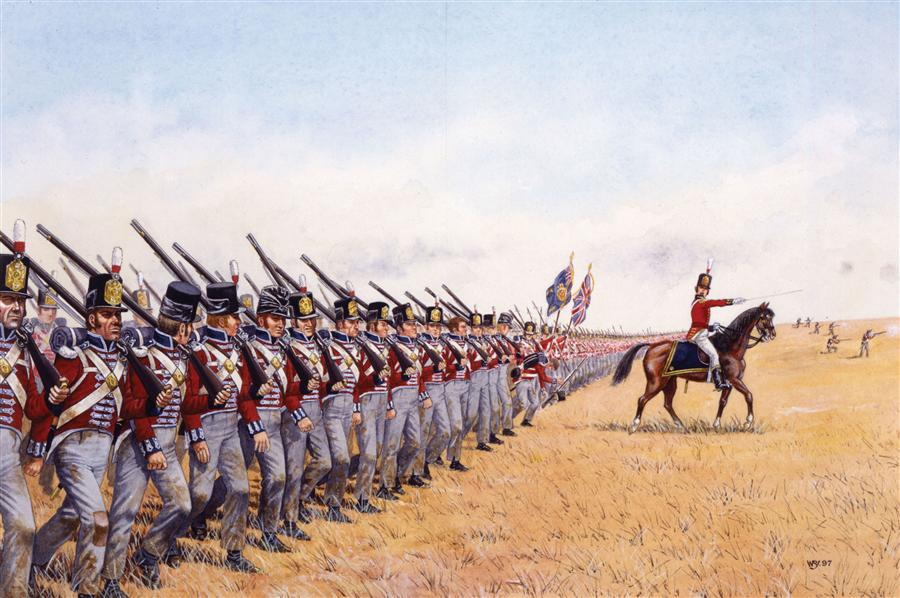
Most stable and primitive societies, such as the American Indians before 1492 or medieval Europe, have no great population problem because the birthrate is balanced by the death rate. In such societies both of these are high, the population is stable, and the major portion of that population is young (below eighteen years of age). This kind of society (frequently called Population Type A) is what existed in Europe in the medieval period (say about 1400) or even in part of the early modern period (say about 1700). As a result of the increased supply of food in Europe after 1725, and of men's increased ability to save lives because of advances in sanitation and medicine after 1775, the death rate began to fall, the birthrate remained high, the population began to increase, and the number of older persons in the society increased. This gave rise to what we have called the demographic explosion (or Population Type B). As a result of it, the population of Europe (beginning in western Europe) increased in the nineteenth century, and the major portion of that population was in the prime of life (ages eighteen to forty-five), the armsbearing years for men and the childbearing years for women.
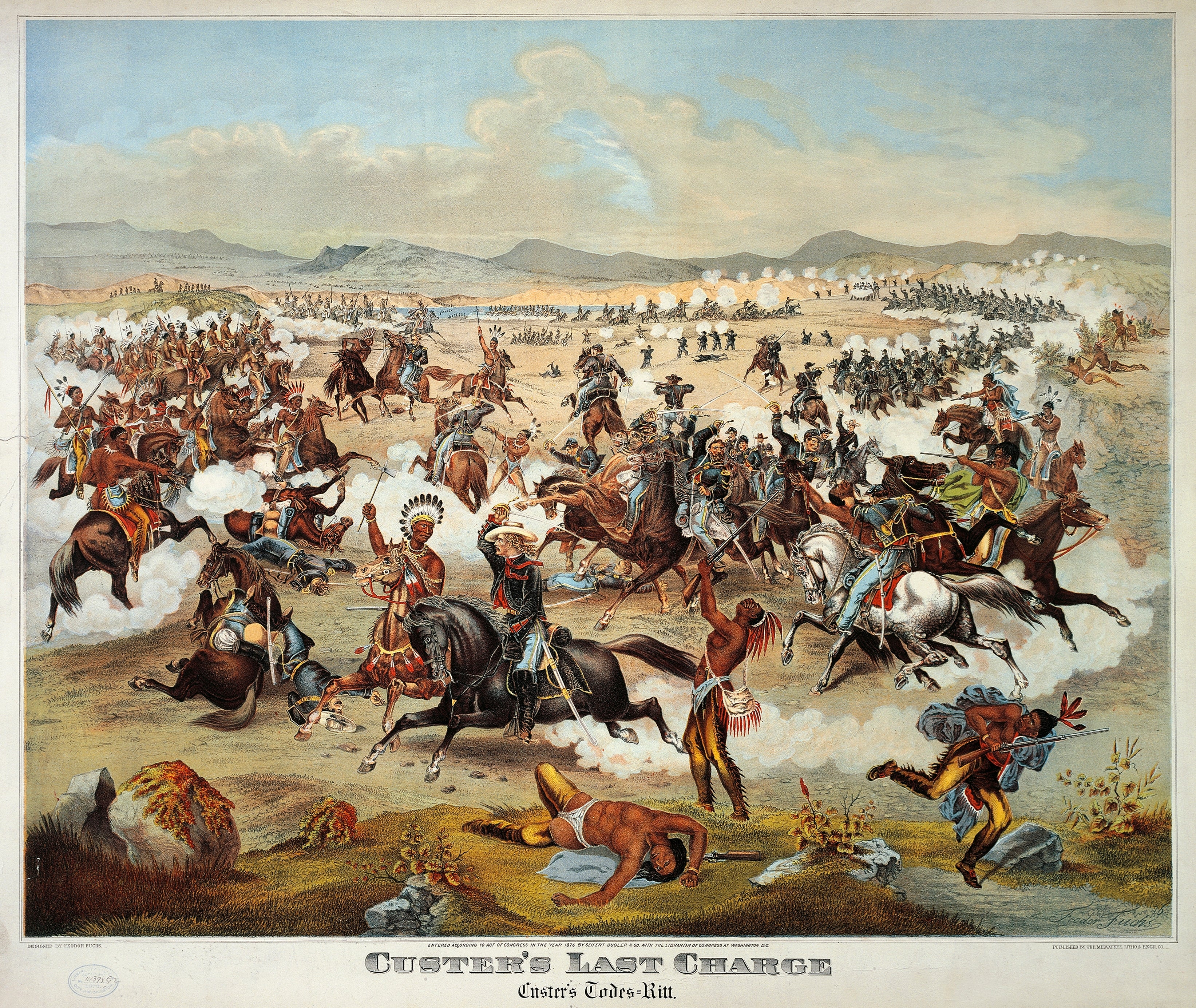

Inceldom is merely a self-correcting mechanism for this unnatural phenomena. Nature always finds a way to balance itself out with sudden external shocks. Perhaps were we to live in a more tribal society, one with a higher deathrate, this need to develop birth militating social dynamics as per hypergamy, would be left redundant.
In Europe the Agricultural Revolution which served to increase the supply of food began at least fifty years before the beginnings of the revolution in sanitation and medical services which decreased the number of deaths and thus increased the number of the population. The two dates for these two beginnings might be put roughly at 1725 and 1775. As a result of this difference, Europe generally had sufficient food to feed its increased population. When the population reached a point where Europe itself could no longer feed its own people (say about 1850), the outlying areas of the European and nonEuropean worlds were so eager to be industrialized (or to obtain railroads) that Europe was able to obtain non-European food in exchange for European industrial products. This sequence of events was a very happy combination for Europe. But the sequence of events in tile non-European world was quite different and much less happy. Not only did the non-European world get industrialization before it got the revolution in food production; it also got the revolution in sanitation and medical services before it got a sufficient increase in food to take care of the resulting increase in population. As a result, the demographic explosion which began in northwestern Europe early in the nineteenth century spread outward to eastern Europe and to Asia with increasingly unhappy consequences as it spread. The result was to create the greatest social problem of the twentieth-century world.
Most stable and primitive societies, such as the American Indians before 1492 or medieval Europe, have no great population problem because the birthrate is balanced by the death rate. In such societies both of these are high, the population is stable, and the major portion of that population is young (below eighteen years of age). This kind of society (frequently called Population Type A) is what existed in Europe in the medieval period (say about 1400) or even in part of the early modern period (say about 1700). As a result of the increased supply of food in Europe after 1725, and of men's increased ability to save lives because of advances in sanitation and medicine after 1775, the death rate began to fall, the birthrate remained high, the population began to increase, and the number of older persons in the society increased. This gave rise to what we have called the demographic explosion (or Population Type B). As a result of it, the population of Europe (beginning in western Europe) increased in the nineteenth century, and the major portion of that population was in the prime of life (ages eighteen to forty-five), the armsbearing years for men and the childbearing years for women.
Inceldom is merely a self-correcting mechanism for this unnatural phenomena. Nature always finds a way to balance itself out with sudden external shocks. Perhaps were we to live in a more tribal society, one with a higher deathrate, this need to develop birth militating social dynamics as per hypergamy, would be left redundant.